

Mid-Summer Garden Organization Tips for Better Harvests
Posted by Heather, Master Gardener at MetalGardenMarkers.com on 23rd Jul 2026
Mid-Summer Is When the Best Gardeners Start Planning for Next Year
By July, the excitement of spring planting has settled into the steady rhythm of garden maintenance.
Tomatoes are climbing their supports. Beans are producing. Herbs need regular harvesting. Some plants are thriving, while others may already be showing signs that they were planted a little too close together or simply aren't suited to your growing conditions.
This is also the point in the season when many gardeners stop paying attention to the details.
Ironically, this is when the most valuable observations can be made.
Your Garden Is Giving You Answers
Every growing season teaches something.
One tomato variety may be producing weeks ahead of another. A row of lettuce might have bolted early because it received an extra hour of afternoon sun. A perennial may finally be reaching its mature size, revealing that it needs more space than originally planned.
These aren't mistakes—they're information.
Experienced gardeners know that each season becomes easier when you capture those observations while they're fresh.
Waiting until winter often means trying to remember which pepper was the sweetest or which cucumber resisted disease the longest. By then, the details are easy to forget.
Small Notes Prevent Big Mistakes
Keeping garden records doesn't require a complicated journal. A few simple notes can be enough:
- Which varieties performed best
- Plants that struggled in certain locations
- Areas that stayed too wet or dried out quickly
- First and final harvest dates
- Pest or disease problems
- Changes you'd make next season
Even writing a few words every week creates a record you'll actually use.
Over time, those notes become one of the most valuable gardening tools you own.
One Common Mid-Summer Mistake
Many gardeners continue watering, harvesting, and weeding—but stop observing.
Once plants are established, it's easy to assume the work is simply maintenance. In reality, July is when gardens begin revealing long-term patterns.
You can see which plant combinations work well together, where airflow could be improved, which supports were installed too late, and where spacing should be adjusted next year.
These are lessons you simply can't learn from a seed packet.
Good Labels Save More Than Plant Names
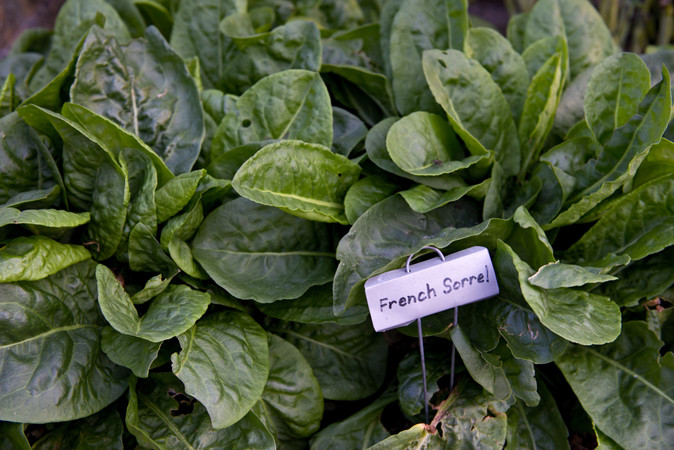
Accurate labeling becomes surprisingly important as the season progresses.
Early in spring, it's easy to remember which tomato is Brandywine and which is Cherokee Purple. By harvest season, especially after months of pruning, tying, and growth, those memories become much less certain.
Clear, durable plant labels help connect your observations to the correct varieties. That means you'll know exactly which plants earned a place in next year's garden—and which didn't.
For gardeners who prefer solutions that last, reusable metal garden markers provide a dependable way to keep those records intact season after season. Rather than replacing faded or broken labels every year, durable metal markers become part of a long-term garden organization system.
We choose American manufacturing even when it costs more because permanence, accountability, and responsible production matter. Our goal isn't to create something you'll replace next season—it's to provide tools you'll rely on for years.
Organization Pays Off Every Spring
Every organized garden starts long before the first seed goes into the ground.
The gardeners who seem to have everything under control each spring usually aren't working harder. They're benefiting from decisions they made during the previous growing season.
A few thoughtful notes today can save hours of uncertainty next year.
A Five-Minute Mid-Summer Garden Check
Before you leave the garden this week, take five minutes to answer these three questions:
- Which plants are performing better than expected?
- Which beds need better spacing, support, or airflow?
- Which varieties would you happily grow again next year?
Write the answers in a notebook, on a garden map, or in a simple digital document. The best record-keeping system is the one you'll actually use.
Final Thoughts
Gardening is less about having a perfect season and more about learning from each one.
The plants growing in your garden today are already showing you what works in your climate, your soil, and your gardening style.
Take a few moments to notice.
Write it down.
Your future self will thank you.