

The Gardening Habit That Improves Every Season
Posted by Heather, Master Gardener at MetalGardenMarkers.com on 1st Jun 2026
The Most Valuable Garden Tool Isn't a Tool
By early summer, I start to see the garden telling the truth.
The tidy plans from spring begin to meet real weather, real soil, and real plant behavior. Some tomatoes take off. A few seedlings sulk. One bed dries out faster than I expected, while another holds moisture longer than it should.
This is one of my favorite times to pay attention.
Not because everything is perfect, but because the garden is beginning to teach.
It is easy in June to stay busy with watering, weeding, staking, and checking for pests. All of that matters. But one of the most useful habits a gardener can build is also one of the simplest:
Notice what is happening, and write down what you see.
You do not need a complicated garden journal. A notebook, a calendar, a note on your phone, or a simple bed map will do. What matters is capturing the things you think you will remember later, because most of us do not.
Write down which varieties look strong. Note which plants are slow to settle in. Mark the bed that dries out first. Record where disease shows up, where the soil crusts, or where a plant surprises you in the best way.
These small notes become valuable over time.
They help you stop guessing.
Every garden has its own patterns. Your garden may have a windy corner, a warm brick wall, a low spot that stays wet, or one raised bed that always seems to outperform the others. Those details are easy to overlook in the middle of the season, but they are exactly the details that help you make better decisions next year.
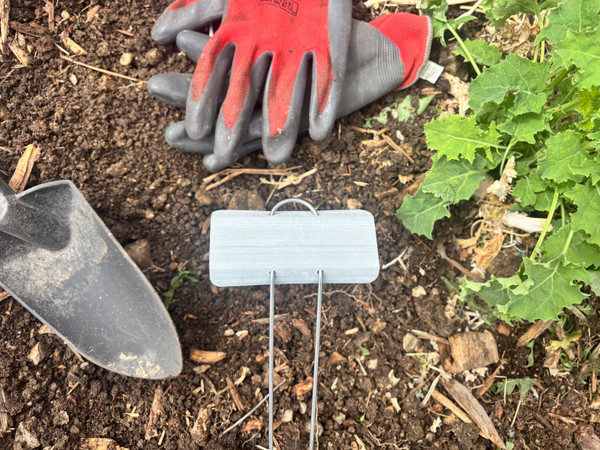
One simple habit that helps is keeping plant names clearly identified throughout the season. When you're comparing varieties, tracking performance, or making notes for next year, knowing exactly which plant you're observing matters. Many experienced gardeners rely on durable labels that remain in place year after year. Our C-Series Copper Garden Markers are designed for gardeners who appreciate both permanence and practicality, making it easier to connect today's observations with next year's decisions.
The common mistake is waiting until winter to think back on the season.
By then, the details blur. The tomato that produced beautifully, the pepper that struggled, the row that was planted too closely, the variety worth growing again—all of it becomes harder to recall.
A few minutes each week is enough.
Walk the garden slowly. Look at the leaves. Check the soil. Notice which plants seem sturdy, which ones need support, and which areas need a change in watering. Then make a short note.
Over time, those notes become a record of your judgment as a gardener.
That is how good gardens improve. Not all at once, and not through one perfect product or one perfect method, but through steady observation.
A well-kept garden record helps you plant with more confidence, avoid repeating the same mistakes, and recognize what is working before the lesson is lost.
The garden does not need us to remember everything.
It only asks us to pay attention.