

How to Prepare Your Garden for Winter and Keep It Organized with Durable Metal Plant Labels
Posted by Heather, Master Gardener at MetalGardenMarkers.com on 13th Nov 2025
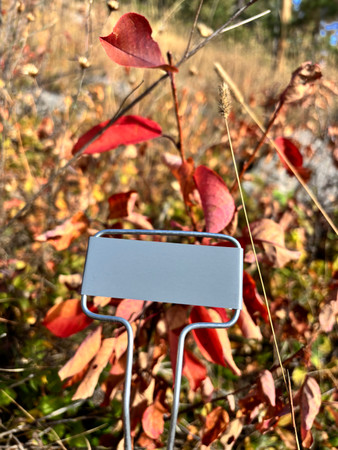
How to Prepare Your Garden for Winter and Keep It Organized with Durable Metal Plant Labels
Winter garden prep checklist, plus how to label plants so spring planting is faster and more accurate.
As temperatures drop, a thoughtful winter routine protects your perennials, preserves soil health, and sets you up for a stronger spring. The often-forgotten step is organization: labeling beds and plant groupings now ensures you will not lose track of varieties, bulb placements, or rotation plans when the garden is dormant.
Topics covered: how to prepare your garden for winter, best way to label plants for winter, durable garden markers for cold climates, copper vs zinc plant labels, metal plant labels that last all year.
Winter Garden Prep Checklist
- Remove spent annuals and diseased foliage. Compost only clean material; discard anything with mildew, blight, or rust.
- Cut back selectively. Leave ornamental grasses and seed heads (e.g., echinacea) for structure and wildlife; tidy crowns of plants that prefer it.
- Deeply water before the ground freezes. Hydrated roots enter winter less stressed.
- Mulch 2–3 inches. Use shredded leaves, straw, or wood chips to buffer temperature swings and conserve moisture.
- Protect trunks and crowns. Wrap young trees against sunscald and critter damage; mark crown locations with labels to avoid spring missteps.
Label Before Frost: The Step That Saves Spring
Once foliage collapses, bed maps and plant positions become easy to forget. Labeling perennials, bulb drifts, and division sites in late fall prevents guesswork and accidental disturbance during early spring cultivation. Clear, durable labels also support crop rotation planning and variety tracking.
Why Metal Labels Outperform Wood and Plastic in Winter
Copper Plant Labels
Copper resists corrosion and naturally develops a protective patina that remains legible. Its warm tone complements winter palettes and looks refined in formal beds.
- Weather-resistant; will not become brittle
- Elegant appearance that ages beautifully
- Pairs well with paint/UV-stable garden pens
Zinc Nameplates and Markers
Zinc is non-rusting and non-glare, making text easier to read in low winter light. The metal is soft enough to emboss by hand for truly permanent identification.
- Embossable for permanent labels
- Excellent readability through snow and freeze
- Reusable season after season
How to Label Plants for Cold Weather
- Be specific. Include plant and variety (for example, “Helleborus ‘Ivory Prince’”). Add planting or division date if relevant.
- Choose the right medium. Emboss zinc nameplates for permanent, tool-free text; use paint or UV-stable pens on copper for lasting contrast.
- Place with intention. Position labels just outside crowns or bulb clusters; angle plates slightly to shed water and reduce ice buildup.
- Standardize your system. Use consistent abbreviations or color-coding across beds to speed spring tasks.
Recommended Markers for Winter Beds
- Copper Markers (A-Series) — long-lasting, elegant, excellent for perennials and mixed borders.
- Zinc Markers (E-Series) — embossable plates ideal for bulb maps, collections, and variety trials.
- Aluminum Options (C-Series) — lightweight, durable choices for large plantings and educational gardens.
Image idea: Copper and zinc plant labels marking perennials and bulb groupings in a mulched fall garden bed. Clear labels now prevent spring confusion and protect hidden crowns during early cultivation.
Quick Takeaway: Winterize beds and label them in the same session. Durable metal labels outlast freeze/thaw cycles, stay readable through snow, and make spring planning faster and more accurate.
Copper vs. Zinc: Which Should You Choose?
Choose copper if you prefer a timeless, warm aesthetic and plan to write with a paint or UV-stable garden pen. Choose zinc if you want hand-embossed, permanent text and high readability all season. Many gardeners use both: copper for borders and display beds, zinc for bulb maps and collections.
Next Steps
Label once and be done for years. Shop durable, weather-ready options at MetalGardenMarkers.com, including Copper (A-Series) and Zinc (E-Series) markers made to perform in real gardens.